A piece of peaceful mind - Feeling ‘mindful’ at an urban sanctuary
19 May 2026
Refreshingly green
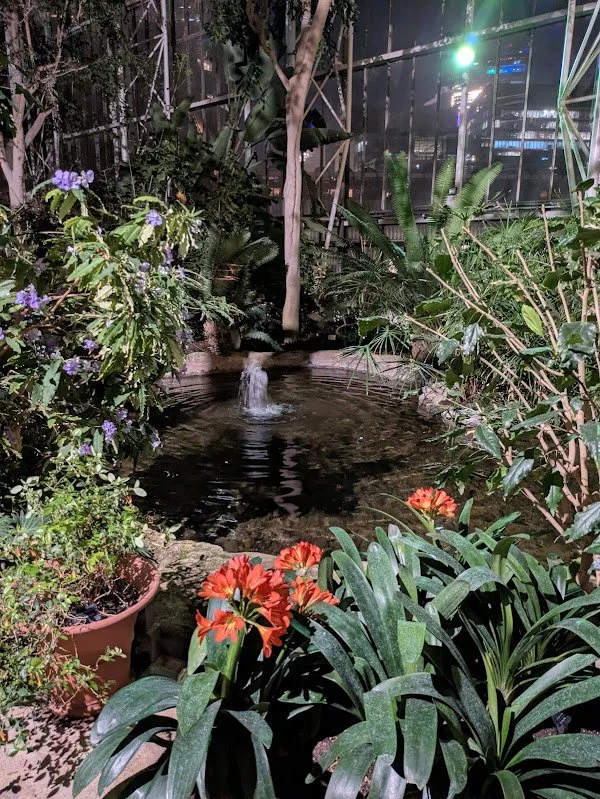
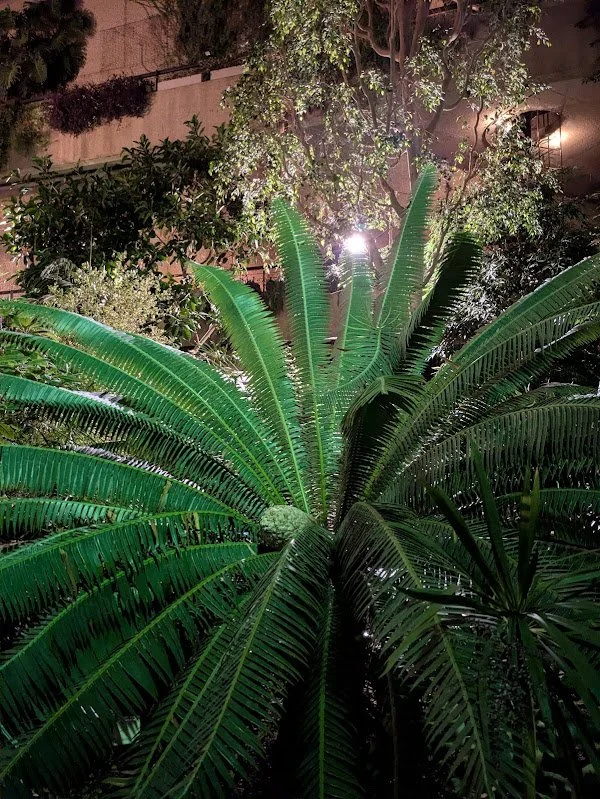
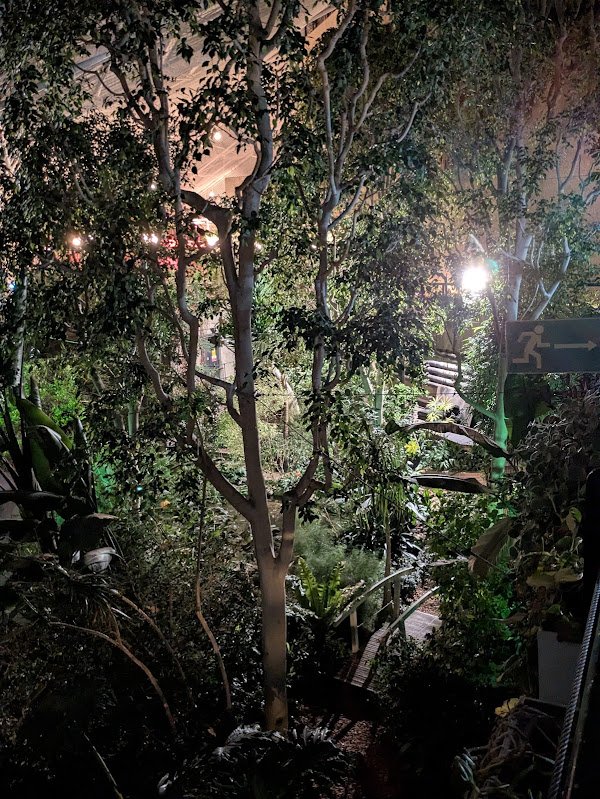
The Barbican Conservatory is a hidden gem. Once experiencing the chilly and meditative atmosphere, you would feel like repeating the visit. With a simple yet contrasting combination of lots of lively trees and plants surrounded by lifeless steel, rocks and glass, it is a powerfully magical sanctuary embraced by the urban design.
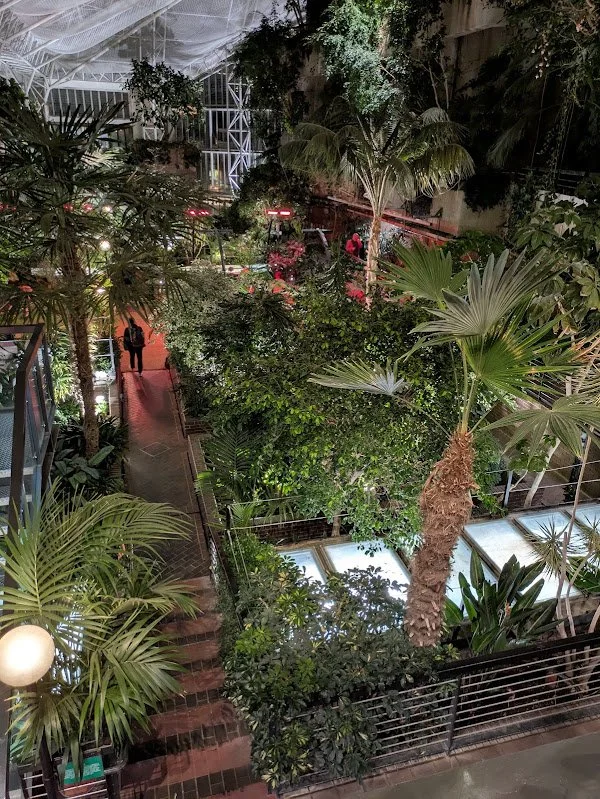
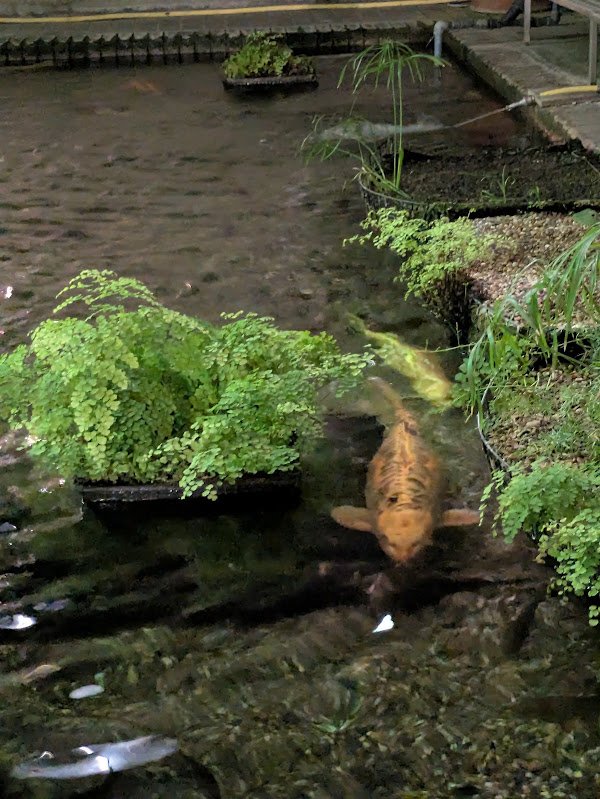
The greenery and tropicals from around the world immigrated to the innovative arthouse of Barbican in the early 80s. They expanded their branches to around 1,500 species, coexisting with other adorable creatures including koi carp and turtles, to name but a few. Some endangered kinds were given a safe asylum here to thrive.
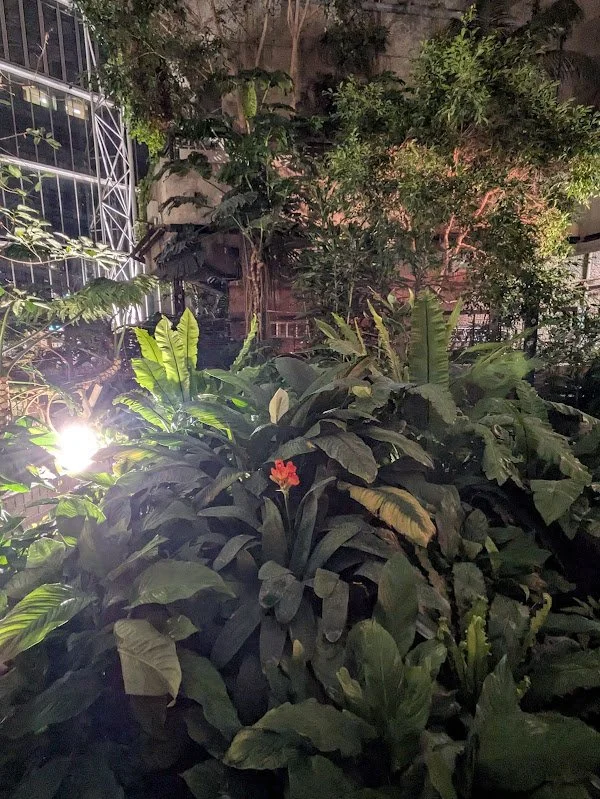
Wandering about in the Conservatory simply gives you a calming pleasure, but it is not that simple. Ambling through and under exotic branches, leaves and flowers, I felt awe as if I was marginalised between the ‘real’ wild nature and the tamed, framed, gardened nature. If I were pushed into untouched wildlife, those same plants may look rather scary and threatening to me. The reason why we can peacefully stroll among them, feeling relaxed, soothed and meditated, is because they have been contextualised in a human hand with artistry. They bridge between nature and arts, offering us a specially serene experience.
What ‘free entry’ means
My truly enjoyable promenade was interrupted by a small yet shocking sign placed near little pots of various, adorable baby plants. The sign was begging for not stealing the carefully taken-cared-of plants from the Conservatory. What...? I suddenly felt stunned and frozen. The necessity of such a sign means… there have been ‘thefts’ actually happening.
Feeling outraged at such heartless attempts and behaviour, a recent memory flashed back to me. It happened only a half an hour before, on our way to Barbican. My husband and I passed a young lady at a crossing. From her arms, several unusual, exotic flowers were sticking out at random directions. They were not in a neat bunch like being bought from a florist. Without having prior knowledge of the theft incidents, neither my husband nor I imagined associating that with the Conservatory at all.
Actually, we never know where she actually picked those unfamiliar flowers from. However, my imaginative brain couldn’t help finding coincidence between some similar episodes. At least this lady reminded us of what we had witnessed at the recent ‘Belgravia in Bloom’ and ‘Chelsea in Bloom’ events. At these popular flower shows in London streets, we came across a few people shamelessly stealing flowers from the decorations, as if they were lucky to acquire such valuables for ‘free’, without price tags. We also remembered a middle-aged lady who was openly picking flowers from a paved garden, belonging to a particular block of flats in our neighborhood of East London, as if she would do so on a wild hillside.
I don’t know their real motivation, but as a common person, I assume that one would rather ‘steal’ something more pricey if the reason was resale of the acquisition for extra money. Those ‘stolen’ plants didn’t seem like a special kind from which you could extract a sort of expensive essence or medicine. They seemed more suitable for house decorations. Nonetheless, such pleasure in eyes is not a so-called necessity. To me, those beautiful flowers and greens are something that could improve your quality of life, rather than something to feed your stomach or become a source of income. However hard I tried to imagine, I couldn’t really comprehend why their ‘quality of life’ can improve by the act of ‘stealing’, and how they manage to conquer a sense of guilt, or if they don’t feel that at all.
‘Free events’ or ‘free entry’ does not mean the displayed items are free public property. They are not ‘free’ for you to take home. Those events are ‘free’ because they are funded by a certain group or people, say a local council, a company or individuals, unless the activities rely on hard work and dedication by volunteers. Maybe not everyone can imagine the background of the ‘free-ness’, but your benefit is someone else’s sacrifice.
You may say that plants belong to nature, not to a particular human being. If that is another excuse for such ‘thieves’, they lack respect for the caretakers. Plants used at events or displayed in a certain environment are someone’s property, just like a land belongs to the land owner. It is not pure wildlife but domesticated nature. Simply, those plants belong to somebody, especially if they have been grown, looked after, designed, framed, put into context by human hands for an educational purpose. You can’t take advantage of someone’s effort.
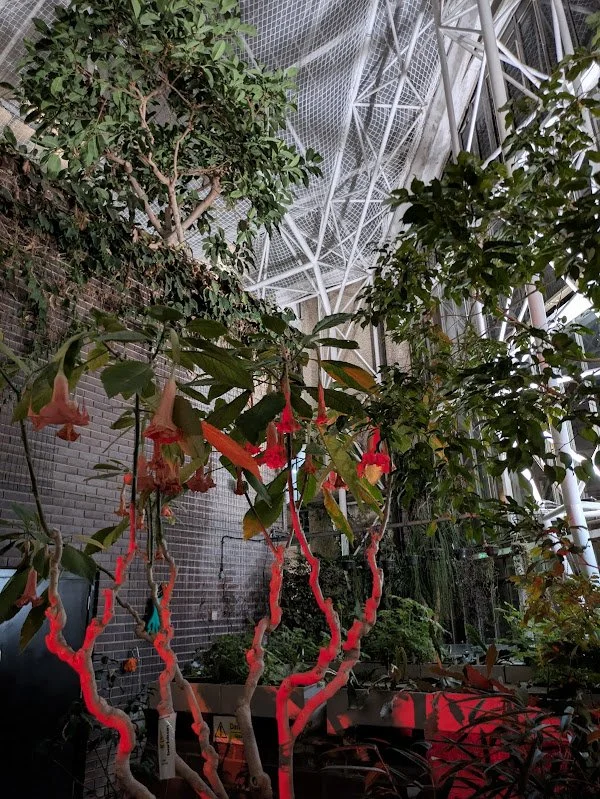
At the Barbican Conservatory, some of the tropical trees and flowers are labeled ‘Danger - Toxic’, in order to prevent us from accidental sniffing or touching. Looking at those labels, I was feeling that ‘freedom’ is toxic. Seeking a real quality moment, or mindfulness in our lives, we need to be truly ‘mindful’ of how we behave… Bathing my soul in the sanctuary, I felt truly grateful for the experience and provoked thoughts.
Generosity
The Barbican Conservatory has been looked after by skilled professionals with care and dedication. This nature-originated art is supported by hard labour of respect and admiration towards those charming trees and plants.
This secluded, exquisite garden still generously opens its doors to the public on various occasions. This generosity is for your inner experience. You are invited to pay a respectful visit.
Barbican - Visit the Conservatory:
https://www.barbican.org.uk/whats-on/2026/event/visit-the-conservatory
* * *
This article was originally written in March 2026. I couldn’t make up my mind if I really wanted to publish it or not… After weathering many sunny, cloudy or rainy days, I now feel fine to share what I actually felt, whatever other people think.